
 Uros Reed Islands
The next leg of our journtey turned out to be a long one. We took the overnight bus from Cusco to Puno. The road was a rougher and it was much colder as we were headed high over the Andes. I’m glad we brought our sleeping bags.
A little information about bus travel. Before this trip, we had never, ever been on a long distance bus and really had no desire to. In Peru, however, that is the main form of travel. The bus lines we took were generally nice, double decker buses, VIP areas with bigger seats, and onboard videos. Of course the kids loved it. Anything that’s different from what they are used to they love. For example they love roll down windows on cars. They think that’s so cool. The seats on the buses are comfortable with the VIP seats on the bottom being better as they are bigger, lay flatter and also you don’t feel the bus lean over as much when the driver is barreling down a mountain, around hairpin turns. The restrooms are generally clean though hard to use when the bus is really moving. I tried to plan it when the bus was stopped but you could never really count on that. The bus was stopped one time and I felt it would be alright to get up. It was late, and the bus was dark. No sooner had I gotten my seatbelt unbuckled then we started up again. I decided to chance it. Normally when you are walking to the back of the bus, you can put your hands on the seatbacks to steady yourself. I did this in the dark, forgetting the seats were reclining. My hand missed the seat back and instead my fingers became embedded in someone’s thick curly hair, no doubt belonging to the hippie guy with the curly red afro that was seated a few seats behind us. YUK! I heard a small cry as I wrenched my hand free and scurried away, hoping he wouldn’t see me. After this, I would not leave my seat.
The bus pulled into Puno around 6 am, fortunately into a bus station. As we stumbled inside we were overwhelmed by tourist people trying to sell us tours to Lake Titicaca. Before we decided on the tour, we wanted to check on the bus schedule. We kept fending off the tourist people, trying to find a bus line that would head from Puno to Tacna. One lady stayed with us and helped us out, recommending a bus line and times. She also sold tours to Lake Titicaca. Looking at the bus schedule, we realized we could tour Lake Titicaca all day, then board an over night bus that evening to Tacna. From Tacna you take a cab across the border to Arica Chile where we would get our next hotel room. It was a workable, if ambitious plan. After getting our ticket, our tourist lady took us upstairs to the cafeteria and helped us get breakfast, while she talked about the tour. The tour company would take us to the docks. We would board a boat that would take us to 3 islands. The first islands were the Uros floating islands about an hour away. Then the boat would take us to the island of Taquile, 2 hours away. We would eat lunch there and be back at the bus station by 6 pm, in time to catch our next bus leaving after 9:00 pm. The price was great, $10 US for adults and $8.00 for the kids and it was scheduled to leave at 7:30am. That gave us just enough time to eat, brush teeth and be on our way again. We were able to stow our luggage at the tourist office. (Again, not locked up and given a receipt as Lonely Planet warns, but just stashed in a corner.) We kept our backpacks with us, including our electronics. Our backpacks were heavy, but we didn’t think we’d have much hiking.
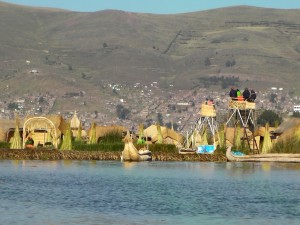
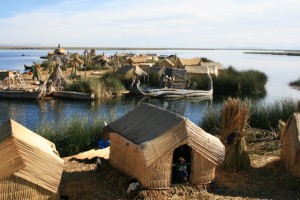 Islands entirely man made of reeds
Our first stop was the Uros Islands. These are man made islands from reeds. The islands were built originally by the Uros tribes to isolate themselves from conquering tribes such as the Incas. Several hundred people still live on the islands today, mainly the very young children and the elders, while the teenagers and young adults have moved off. The lifespan on the island is sadly only fifty years or so. While sad, it’s not surprising as it just didn’t seem healthy spending your whole life on floating, decaying reeds.
The islands are constructed from many layers of reeds, stacked into floating blocks eventually getting about 3 feet in thickness, anchored in place. Every 2 weeks a new layer of reeds is added and every 30 years, the natives need to redo the island, burning the old one. While the reeds are pretty, I found the whole place uncomfortable. It was like walking on a waterbed. The people weren’t very friendly either, arguing over potential customers looking at their crafts. And the children. I couldn’t imagine where they would play. While it was phenomenal what they did in building the islands, Tristan was especially fascinated, hanging on every word the tour guide said, the whole place just didn’t feel good to me.
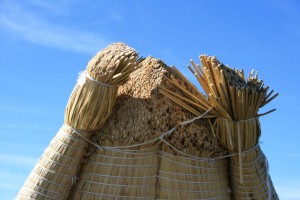 How the reeds are bound
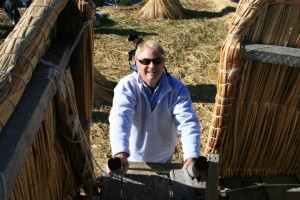 Dan climbing to the lookout post
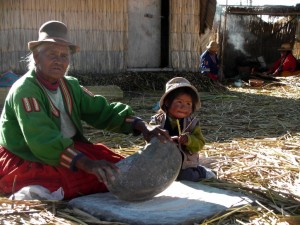
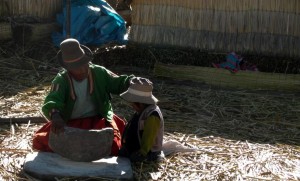 Grandmother and child
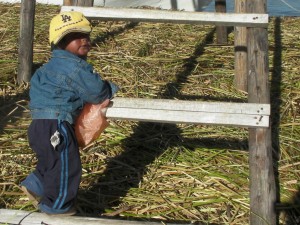 Young Ural boy
The trip to
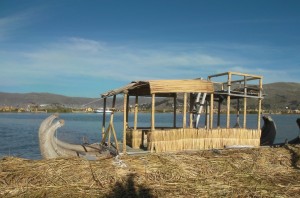 Reed boat
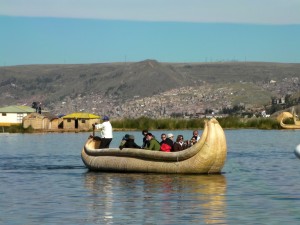 Dan and the kids took a ride on this beautiful reed canoe
Dan and I slept the 2 1/2 hours to the Taquile islands. We woke up just in time to hear our guide talk about the Taquile natives. The Taquile islanders made the the Uros islanders seem downright jovial. This island had the least amount of visitors and they were heavily steeped in the old customs. Our guide was great explaining the traditions around the headwear. All men wear hats, but which color hat they wear, tells you something about them. Single men wear red hats and single men wear more elaborately designed red and white hats. There is a special hat for the tribal leader to wear and each man becomes a tribal leader for 1 year. By the way, the men knit the hats themselves. We saw several men sitting in the plaza, knitting away. Our guide also told us about the importance of hair to the Peru men and woman. It’s a great source of pride (as we already figured out). Women only cut their hair once in their life, when they marry. Male babies have their hair cut at age 2 in a ceremony where braids are made in the baby’s hair, and each member of the community brings a gift and is then allowed to cut one of the braids. The gifts may consist of animals, money or coca leaves. She explained that the coca leaves are important in the lives of the community, and are a huge source of calcium, magnesium and other beneficial vitamins and minerals. This is what makes the hair and teeth of the Peruvians so perfect. The coca is so important to the Peruvian people that they are included in nearly every ceremony. The Taquile men take it one step further. They carry a woven bag filled with coca leaves. When they greet other members of the community, instead of shaking hands, they exchange handfuls of coca leaves. The leaves are grown on the island as is nearly everything the Taquiles need. They prefer to keep to themselves. But apparently they like the money from the tourist.
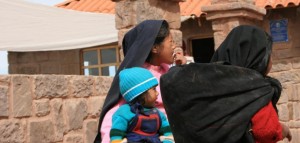
The Taquiles were heavily influenced by the Spanish. Where the Uros women wore the traditional bola hats seem throughout most of Peru, the Taquile women wear the shawls covering their heads, very reminiscent of Spanish women. They don’t like their picture taken without being paid. What pictures I did get involved covert actions.
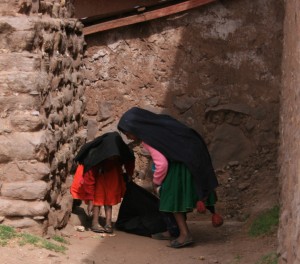 Young girls wearing the traditional head covering, with pom poms on the ends
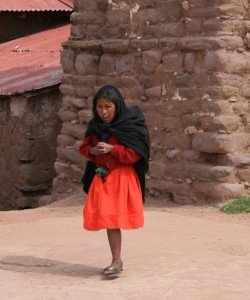
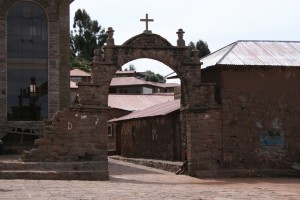 In the Plaza
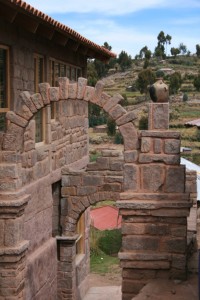
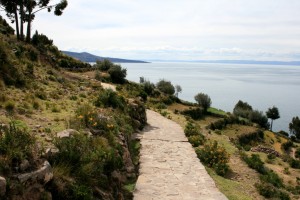 Path alongside the island
The island itself was pretty. As soon as we got off the boat, we had 500 steps to climb to the top. Five hundred steps, at an altitude of over 12000 feet, it took awhile for us to make it to the top. There we had time for a delicious lunch of fresh trout, served under a canopy, overlooking Lake Titicaca. We struck up a conversation with a Brazilian couple across from us. He spoke some english, his wife only Portuguese. They loved the United States and a few years ago had rented an RV with some Brazilian friends and drove from New Orleans to Minnesota, having a great time. They reminded us alot of Lillian and Sylvio our Brazilian friends we met in the Curacao boatyard. After lunch it was up another 100 stairs or so to the Plaza, where we could look at the islanders handiwork. Then we had 30 minutes to follow the paved path around the island and down to the boat. Our guide warned us to be prompt getting back to the boat as they would leave on the dot, without us. Apparently after a certain hour in the afternoon, the wind whips the waves up to an unsafe height for the boats, so they need to depart before this happens. In fact we almost left the Brazilian couple as they were late getting back. They weren’t very happy!
We slept the 2 1/2 hours back to Puno. There were still a few hours to kill before we boarded the bus again, so we had the van drop us off downtown. After an unusually good (for Peru) pizza, it was back to claim our luggage from the tourist company and wait for the bus. For this overnight trip we were finally able to get the VIP seats on the lower level. This trip used to be really bad as it’s up and over higher mountains, then straight down to nearly sea level. The old road didn’t used to be paved, but they assured us now a new road had been built. And it wasn’t bad. The road was still a little rough, it was cold and the bus still swayed a bit around the corners, but we were all so tired we didn’t mind. Six am came again too early, and as the bus stopped in Tacna we sighed with disappointment as once again we were being dropped in the middle of nowhere.
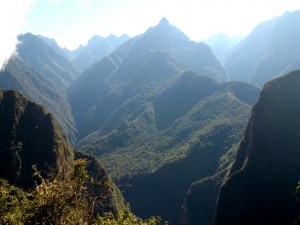
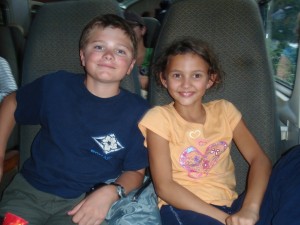 Tessa and Tristan enjoying the train ride
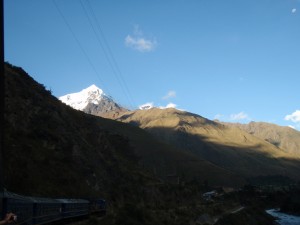 View from the train
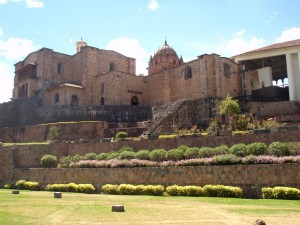 Qorikancha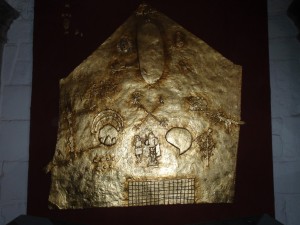
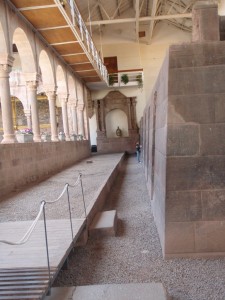
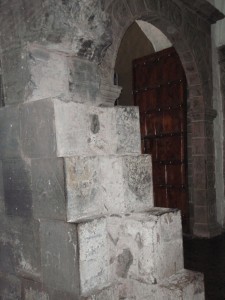
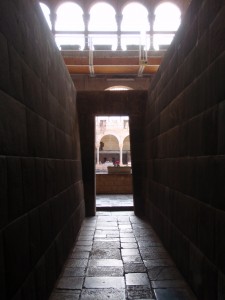
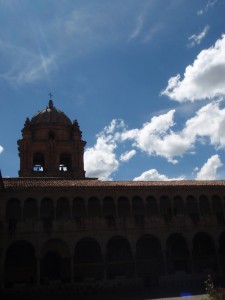
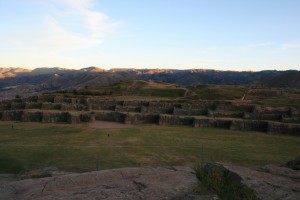 Sacsaywaman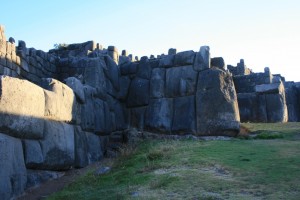
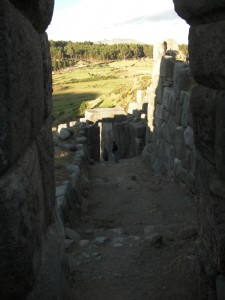
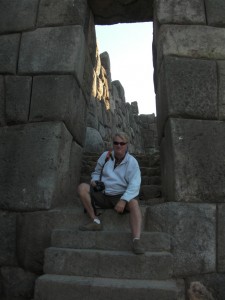 Dan taking a break
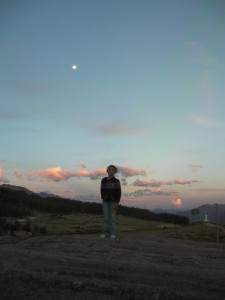 Moon over Sacsaywaman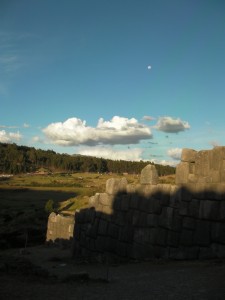
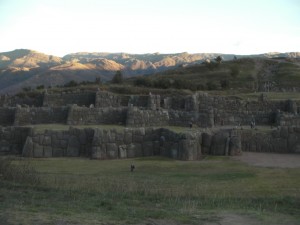 Walls are set in zig zag pattern. The theory is that this was to honor the god of lightening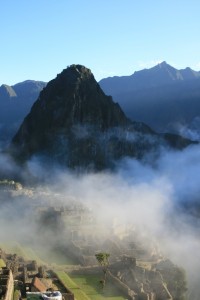
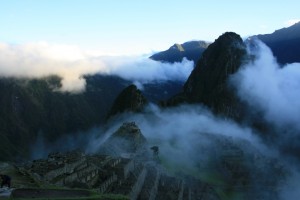
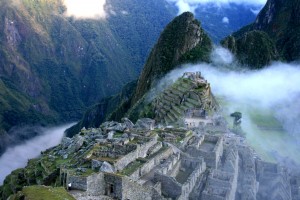
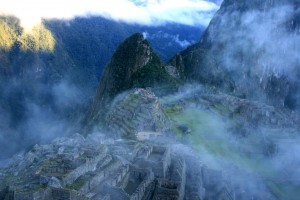
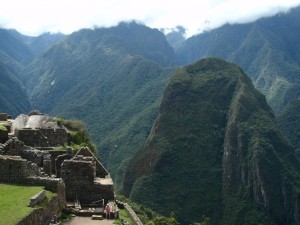
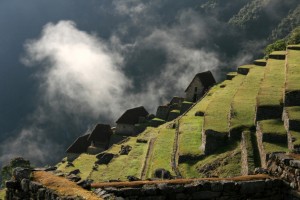 Terraces at Machu Picchu
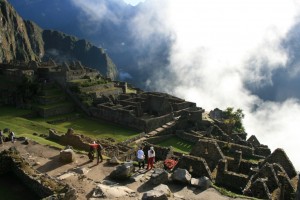 Looking down on the main site
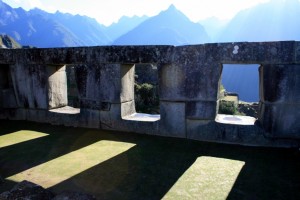 Temple of the Three Windows
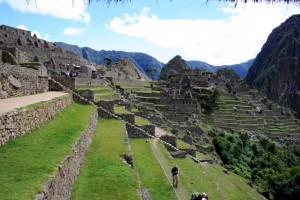
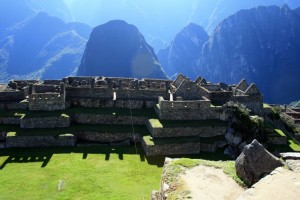 Main Plaza
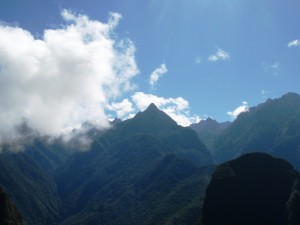
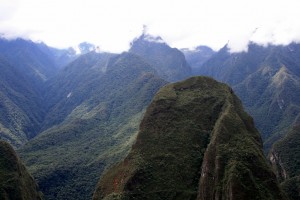
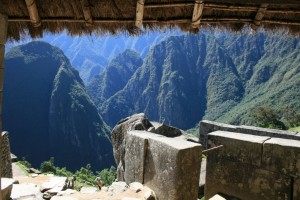 The mountains surrounding are just spectacular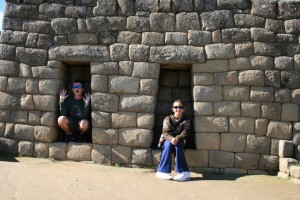
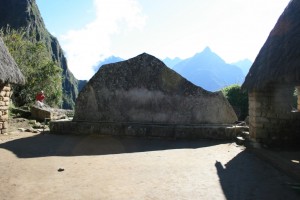 Sacred Rock carved to match the mountain in the background
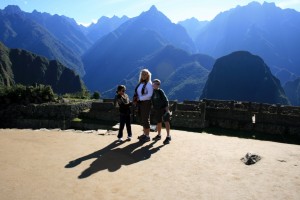 Having a great time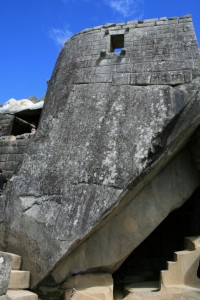
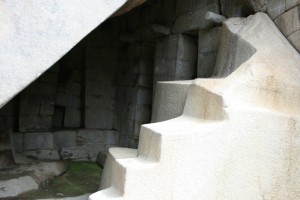
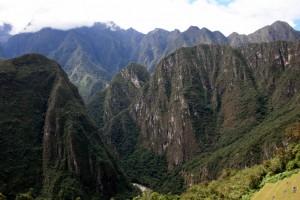 Looking down into the valley below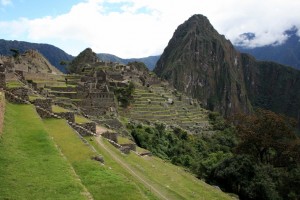
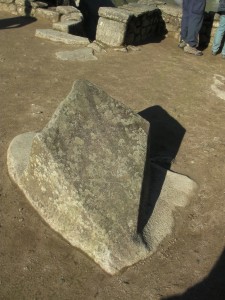 Carved rock representing the constellation Southern Cross
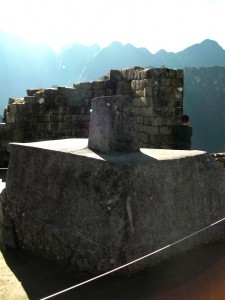 Hitching Post of the Sun